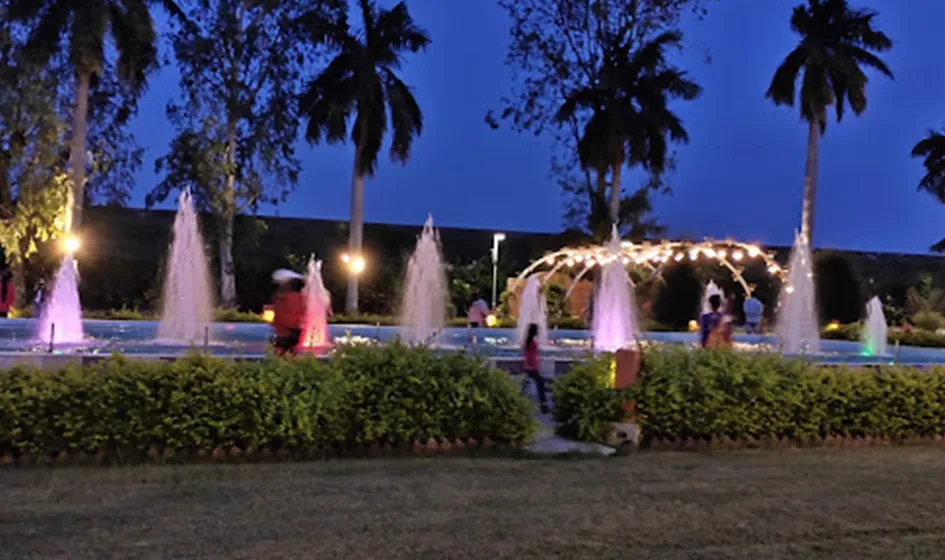
The Rise of Interactive Fountains in Modern Urban Design
Cities across the world are embracing public space fountains as essential elements of modern urban planning. From New York’s Bryant Park to Singapore’s Marina Bay, these installations serve as both public art installations and community gathering points.
The reason behind this rise is simple — people crave interaction. Modern citizens seek spaces that engage the senses and create meaningful experiences. Interactive fountains do exactly that by combining design, engineering, and digital technology to make water move with purpose.
Through motion-sensor water displays, touchless interactive fountains, and sensor-based water play zones, urban designers are creating places where people of all ages can connect, cool off, and create memories.
How Interactive Fountains Enhance Public Spaces
Interactive fountains redefine the purpose of urban plazas and parks. They are not just decorative but functional — designed to enhance community engagement through fountains and encourage social interaction.
These features promote inclusivity by appealing to both children and adults. A plaza with an interactive water plaza design transforms from an empty space into a living, breathing experience. They attract foot traffic, encourage longer visits, and support nearby businesses by boosting the vibrancy of an area.
In addition, public art installations that use water and light as creative mediums contribute to a city’s identity. They become landmarks that reflect a community’s innovation and culture — a symbol of progress through design.
The Role of Technology in Modern Public Fountains
The integration of technology in landscape architecture has revolutionized fountain design. Today’s smart public design elements incorporate IoT, motion detection, and AI-based control systems that can adjust the flow, color, and choreography of water in real time.
For example, touchless interactive fountains use motion sensors to detect presence, activating water jets as visitors move closer. This not only enhances interactivity but also supports hygiene and sustainability — a growing priority in urban development.
Digital interactivity in outdoor spaces allows water and light to respond dynamically to human behavior, soundscapes, and even mobile apps. These innovations make urban water features smarter, safer, and more engaging than ever before.
Why Cities Are Investing in Interactive Fountains
Municipalities and developers are recognizing the immense value of interactive water features in urban design. Beyond aesthetics, these installations serve as catalysts for community engagement, tourism, and economic growth.
They align perfectly with the goals of smart city innovations in public art, combining functionality with entertainment. City planners are also drawn to their sustainable fountain design, which often includes water recycling systems, energy-efficient pumps, and solar-powered lighting.
Moreover, the popularity of family-friendly urban attractions is rising globally, and interactive fountains are becoming the centerpiece of many such developments. They encourage public participation while promoting environmental responsibility — a win-win for both people and the planet.
Global Examples of Interactive Fountain Design
Across continents, interactive water installations are reshaping how cities approach open-space design.
- Crown Fountain in Chicago (USA): This globally recognized interactive installation features LED video towers and spouting water jets that invite playful participation.
- The Dubai Fountain (UAE): Though grand in scale, it integrates precise choreography with interactive lighting and digital control systems.
- Banpo Bridge Rainbow Fountain (South Korea): A stunning blend of architecture, technology, and environment that engages both day and night visitors.
- Feeling Park, India: Recently showcased at the India Architecture & Design Festival 2025, this installation exemplified how interactive fountains can combine art, technology, and emotion to create an unforgettable public experience.
These examples show that technology in modern public fountains is not just a luxury — it’s a movement shaping how people experience urban life.
Benefits of Interactive Water Features
The growing adoption of interactive fountains in cities worldwide is driven by several benefits:
- Social Connectivity: They act as hubs for interaction and shared experiences.
- Cultural Identity: Public fountains often become iconic landmarks representing local creativity.
- Environmental Awareness: Many systems use recycled water and energy-efficient mechanisms.
- Health and Well-Being: Water play encourages physical activity and relaxation in public areas.
- Economic Impact: By attracting visitors, they boost tourism and local business.
These benefits make interactive fountains an essential component of forward-thinking urban water features and community-oriented city planning.
The Future of Public Water Design
Looking ahead, the evolution of interactive fountains will continue to merge design, data, and digital responsiveness. With advances in sensors, automation, and sustainable materials, cities can expect even more personalized and immersive public installations.
Future designs will emphasize smart city innovations in public art, using adaptive systems that react to crowd behavior, environmental conditions, and cultural themes. In short, water will become the language through which cities communicate with their people.
Why Symphony Fountains Is the Trusted Partner in Interactive Fountain Design
At Symphony Fountains, we believe that every drop of water tells a story. With over 15 years of expertise in designing, installing, and maintaining exceptional fountain systems, our team combines artistic vision with cutting-edge technology to deliver truly immersive experiences.
From interactive water plaza designs to smart public fountains and urban water features, we provide end-to-end solutions tailored to each client’s vision. Our products are built with precision, sustainability, and creativity — ensuring every project enhances its surroundings while standing as a testament to innovation.
Whether you’re a city planner, architect, or developer, Symphony Fountains’ expertise in interactive fountains ensures your project, product, or service will engage communities, celebrate creativity, and redefine the possibilities of public space design.